



Supreme Court Pauses New UGC Equity Regulations : What & How?
 395
395
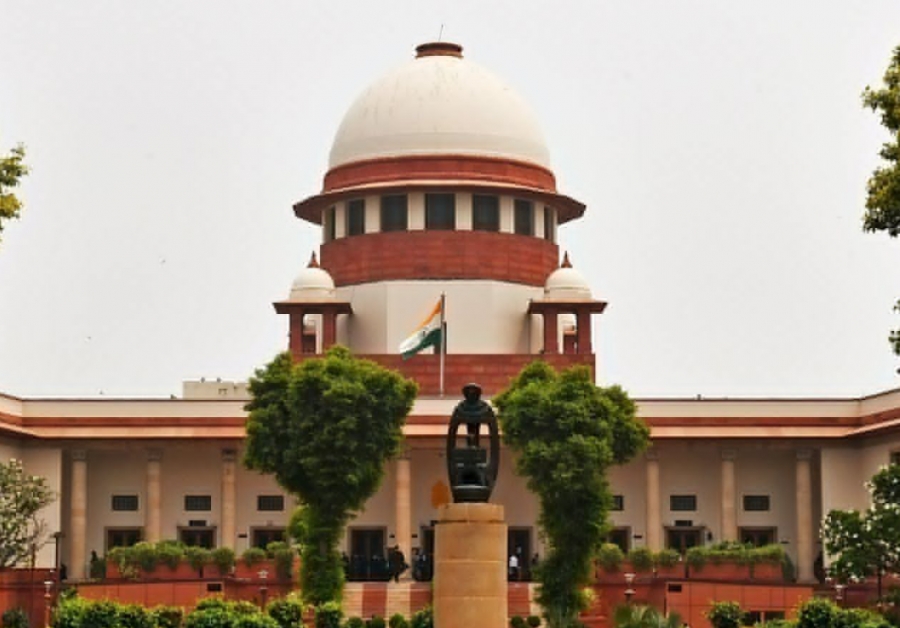
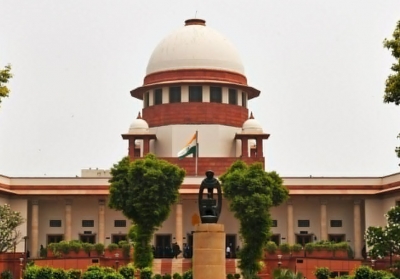
India’s education landscape is embroiled in controversy following the University Grants Commission’s(UGC) notification of the Promotion of Equity in Higher Education Institutions Regulations, 2026, aimed at curbing caste-based discrimination on campuses. The new rules were temporarily stayed by the Supreme Court on Thursday after widespread protests and legal challenges raised concerns over ambiguity and potential misuse.
The 2026 regulations build on earlier equity frameworks by requiring all universities and colleges to establish Equal Opportunity Centres, Equity Committees, grievance systems and 24-hour helplines to address discriminatory conduct, with priority on protecting Scheduled Castes (SC), Scheduled Tribes (ST) and Other Backward Classes (OBC). The UGC and Centre maintain that the rules promote inclusion and address rising instances of caste bias.
Critics, Students from the general category, along with political leaders and some education bodies, contend that the provisions exclude them from grievance mechanisms and lack safeguards against false complaints, creating a risk of “reverse discrimination” and campus tension. Protests have erupted in multiple states, with groups such as the self-styled “Savarna Sena” demanding a rollback of the rules.
Legal petitions filed in the Supreme Court challenged key provisions, particularly the narrow definition of caste discrimination in Regulation 3(c) as unconstitutional and violative of Articles 14 and 15 of the Constitution. The apex court observed that portions of the definition and procedural framework appeared vague and susceptible to misuse, prompting the interim stay on implementation.
The controversy traces back to a 2019 PIL filed by the families of Rohith Vemula and Payal Tadvi—students who died by suicide after alleged caste discrimination—pressuring the UGC and judiciary to strengthen anti-discrimination safeguards.
As the matter proceeds in court, the future of the UGC equity norms remains uncertain, with stakeholders awaiting possible revisions or judicial clarifications.